
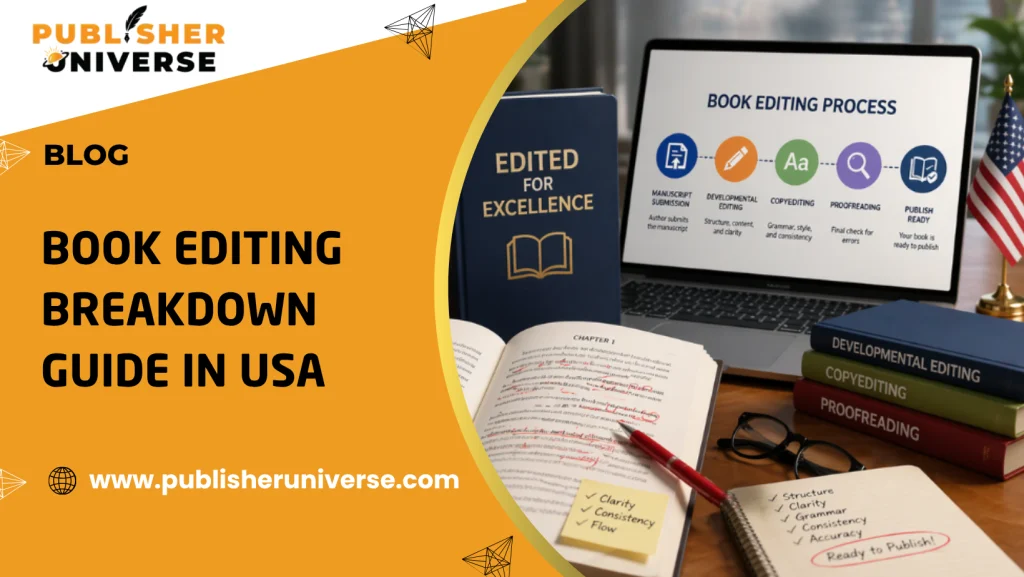
What Are the Types of Book Editing and Why Do They Matter?
What the types of book editing are and which one you need, here’s the direct answer: the types of book editing include developmental editing, copy editing, line editing, and proofreading, and each plays a critical role in transforming your manuscript into a professional, publish-ready book. Understanding these manuscript editing types helps authors avoid costly mistakes, improve writing quality, and meet industry standards in the U.S. publishing market. Whether you’re a beginner or an experienced writer, knowing the right editing types explained can dramatically impact your book’s success.
In simple terms, editing is not a single step—it’s a layered process. Each stage refines a different aspect of your manuscript, from big-picture storytelling to final grammar checks. If you skip or misunderstand these stages, your book may fail to connect with readers or compete in today’s crowded publishing landscape.
Why Understanding Types of Book Editing Is Essential for Authors
Improving Book Quality and Professionalism
One of the biggest reasons authors need to understand the types of book editing is to ensure their work meets professional standards. A raw manuscript—even a great one—often contains structural issues, unclear arguments, and grammatical errors. Each editing stage focuses on fixing specific problems, ensuring your book reads smoothly and delivers value.
For example, developmental editing improves structure and storytelling, while copy editing ensures technical accuracy. Without this layered approach, your book may feel incomplete or unpolished.
Enhancing Reader Experience
Readers don’t consciously think about editing, but they feel its impact. A well-edited book flows naturally, keeps readers engaged, and communicates ideas clearly. Poor editing, on the other hand, leads to confusion, frustration, and negative reviews.
Understanding the different manuscript editing types allows you to create a seamless reading experience that builds trust and encourages recommendations.
Increasing Publishing Success in the USA
In the competitive U.S. publishing market, quality is everything. Whether you’re pursuing traditional publishing or self-publishing, editors and readers expect high standards. Authors who invest in the right types of book editing often see better sales, stronger reviews, and increased visibility.
Developmental Editing: The Foundation of Your Book
What Is Developmental Editing?
Developmental editing is the first and most comprehensive stage among the types of book editing. It focuses on the big picture—your book’s structure, organization, content flow, and overall message.
An editor at this stage looks at:
- Plot development (for fiction)
- Argument clarity (for non-fiction)
- Chapter structure
- Content gaps and redundancies
When Do You Need Developmental Editing?
You need developmental editing if:
- Your story feels disorganized
- Your ideas lack clarity
- You’re unsure about your book’s structure
- You’re a first-time author
This stage is crucial because fixing structural issues later becomes more difficult and expensive.
Real-World Insight
Many successful authors rewrite large portions of their manuscripts during this stage. It’s not about perfection—it’s about building a strong foundation.
Line Editing: Refining Style and Flow
What Is Line Editing?
Line editing focuses on how your content is written rather than what is written. It improves sentence structure, tone, and readability.
This stage ensures:
- Smooth sentence flow
- Consistent tone and voice
- Clear and engaging language
How Line Editing Improves Your Writing
Think of line editing as the art of polishing your voice. It transforms awkward sentences into compelling ones and ensures your message resonates with readers.
For example, a basic sentence like:
“He was very tired and walked slowly”
May become:
“Completely drained, he moved slowly, dragging each step behind him”
That’s the power of refined writing.
Copy Editing: Accuracy and Consistency
What Is Copy Editing?
Copy editing is one of the most critical types of book editing because it ensures your manuscript is technically correct. It focuses on grammar, punctuation, spelling, and consistency.
What Copy Editing Covers
- Grammar and syntax errors
- Spelling mistakes
- Punctuation issues
- Consistency in style and formatting
Why Copy Editing Matters
Even small mistakes can damage your credibility as an author. Readers expect professional-level writing, and copy editing ensures your book meets those expectations.
Proofreading Books: The Final Quality Check
What Is Proofreading?
Proofreading books is the last stage in the editing process. It focuses on catching minor errors that may have been missed during earlier stages.
What Proofreading Includes
- Typographical errors
- Formatting inconsistencies
- Minor grammar issues
Why You Should Never Skip Proofreading
Skipping proofreading is like launching a product without testing it. Even a well-edited book can contain small mistakes that affect reader perception.
Complete Editing Process Explained (Step-by-Step)
Step 1: Manuscript Writing or Ghostwriting Process
Before editing begins, your manuscript must be complete. Some authors use ghostwriting services to create high-quality content efficiently.
Step 2: Developmental Editing
Focuses on structure, content flow, and overall clarity.
Step 3: Line Editing
Refines language, tone, and readability.
Step 4: Copy Editing
Corrects grammar, spelling, and consistency.
Step 5: Proofreading Books
Final quality check before publishing.
Step 6: Publishing and Distribution
After editing, your book is formatted and published using print-on-demand or digital platforms.
Cost of Different Types of Book Editing in the USA
Typical Pricing Overview
| Editing Type | Average Cost (USA) |
| Developmental Editing | $1,000 – $5,000 |
| Line Editing | $500 – $3,000 |
| Copy Editing | $300 – $2,000 |
| Proofreading | $200 – $1,500 |
Cost vs ROI Insight
Investing in the right types of book editing leads to:
- Better reader reviews
- Increased book sales
- Stronger author credibility
- Higher chances of publishing success
Editing is not just a cost—it’s a strategic investment in your book’s future.
Best Practices for Choosing the Right Editing Type
1. Identify Your Manuscript Needs
Not every book needs all editing stages. Evaluate your manuscript to determine what level of editing is required.
2. Work with Professional Editors
Professional Book editors bring experience, objectivity, and industry knowledge that self-editing cannot replace.
3. Follow a Structured Editing Workflow
Always follow the correct order of manuscript editing types to avoid unnecessary revisions.
4. Focus on Long-Term Goals
Think beyond publishing. High-quality editing supports branding, marketing, and future opportunities.
Common Mistakes Authors Make with Editing Types
Skipping Developmental Editing
Many authors jump straight to copy editing, ignoring structural issues. This leads to weak storytelling or unclear messaging.
Confusing Editing with Proofreading
Proofreading is not a substitute for editing. Each stage serves a different purpose.
Rushing the Editing Process
Quality editing takes time. Rushing can result in missed errors and poor-quality output.
Over-Reliance on Self-Editing
Self-editing is helpful but limited. Professional editing provides an unbiased perspective.
How Editing Supports Publishing and Marketing
Improves Book Quality
A well-edited book stands out in the marketplace and attracts more readers.
Enhances Author Branding
Professional writing builds credibility and authority in your niche.
Boosts Marketing Results
Books with fewer errors perform better in promotions and reviews.
Industry Insights: Editing Trends in the USA
The demand for professional editing is growing rapidly due to:
- Rise of self-publishing platforms
- Increased competition among authors
- Higher reader expectations
- Integration of editing with publishing services
Authors today understand that mastering the types of book editing is essential for long-term success.
Why Choose Publisher Universe for Book Editing Services
Publisher Universe offers a complete range of manuscript editing types tailored for authors in the USA.
What You Get
- Expert developmental editing
- Professional copy editing
- High-quality proofreading books services
- Publishing and formatting support
- Book marketing strategies
- Author branding solutions
This full-service approach ensures your book is polished, professional, and ready for the market.
Internal Linking Suggestions
To strengthen SEO and topical authority, link this article to:
- “How to Publish a Book Step by Step”
- “Cost to Publish a Book in USA”
- “Ghostwriting Process Guide”
- “Book Marketing Strategies That Work”
Conclusion
Understanding the types of book editing is one of the most important steps in your publishing journey. Each stage—developmental editing, line editing, copy editing, and proofreading—plays a unique role in transforming your manuscript into a professional, high-quality book.
In today’s competitive market, editing is not optional—it’s essential. By investing in the right manuscript editing types, you not only improve your book but also increase your chances of success, visibility, and long-term growth as an author.
Start Your Publishing Journey Today – Get a Free Book Consultation with Publisher Universe!
Frequently Asked Questions (FAQs)
1. What are the main types of book editing?
The main types of book editing include developmental editing, line editing, copy editing, and proofreading. Each stage focuses on different aspects of the manuscript, from structure and clarity to grammar and final error checking.
2. Do I need all types of editing for my book?
Not always. The required editing depends on your manuscript’s condition. However, most books benefit from at least copy editing and proofreading, while new authors often need developmental editing.
3. How much does book editing cost in the USA?
Costs vary based on editing type and manuscript length. Prices typically range from $200 for proofreading to $5,000+ for developmental editing.
4. Can I skip proofreading if I already edited my book?
No, proofreading is essential. Even after editing, small errors can remain, and proofreading ensures your book is completely polished before publishing.
5. How long does the editing process take?
Editing timelines vary from a few weeks to several months, depending on the manuscript’s complexity and the level of editing required.
Don’t publish unedited—trust Publisher Universe for expert book editing today.